
 EN
EN
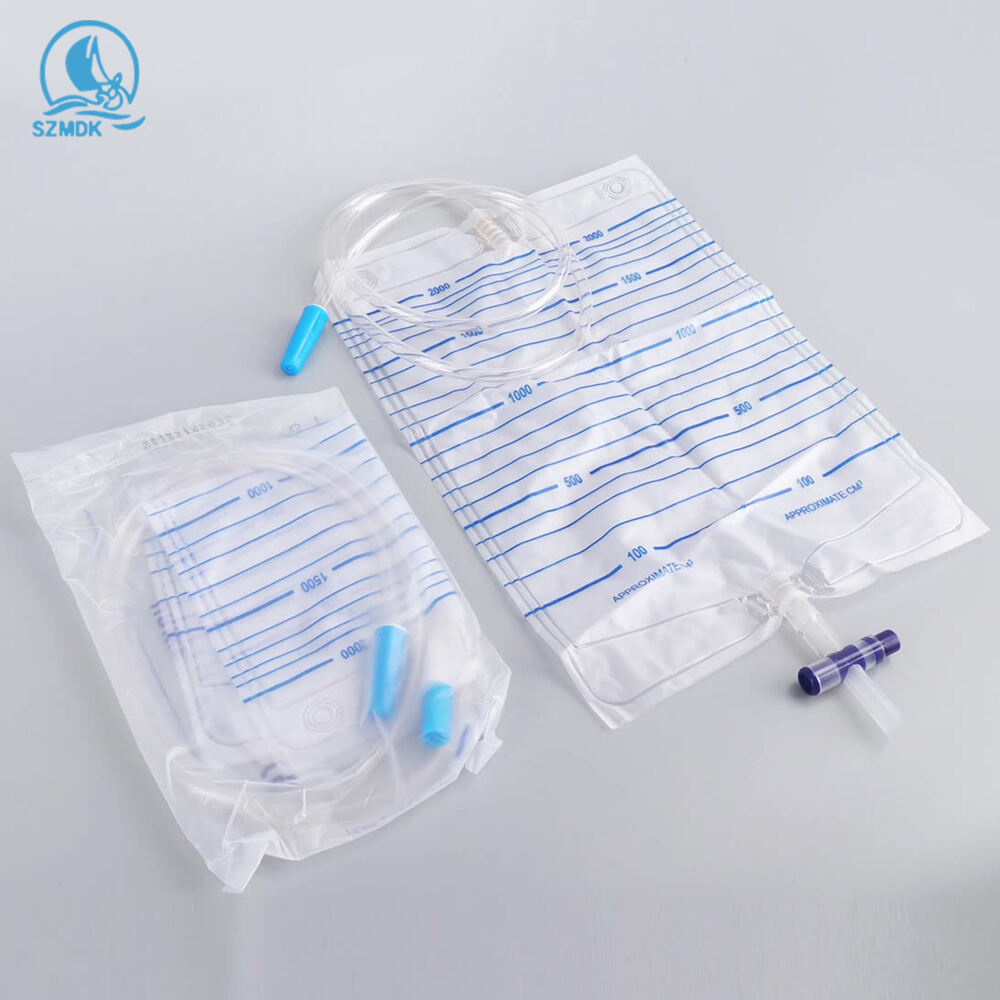
Medical professionals worldwide recognize that effective drainage systems are fundamental to patient care and recovery outcomes. A high-quality urine bag serves as a critical component in urological procedures, providing reliable collection and containment while minimizing infection risks. The integration of anti-reflux mechanisms within these medical devices has revolutionized patient safety standards and clinical efficiency. Understanding the importance of these protective features helps healthcare providers make informed decisions when selecting drainage solutions for their patients.
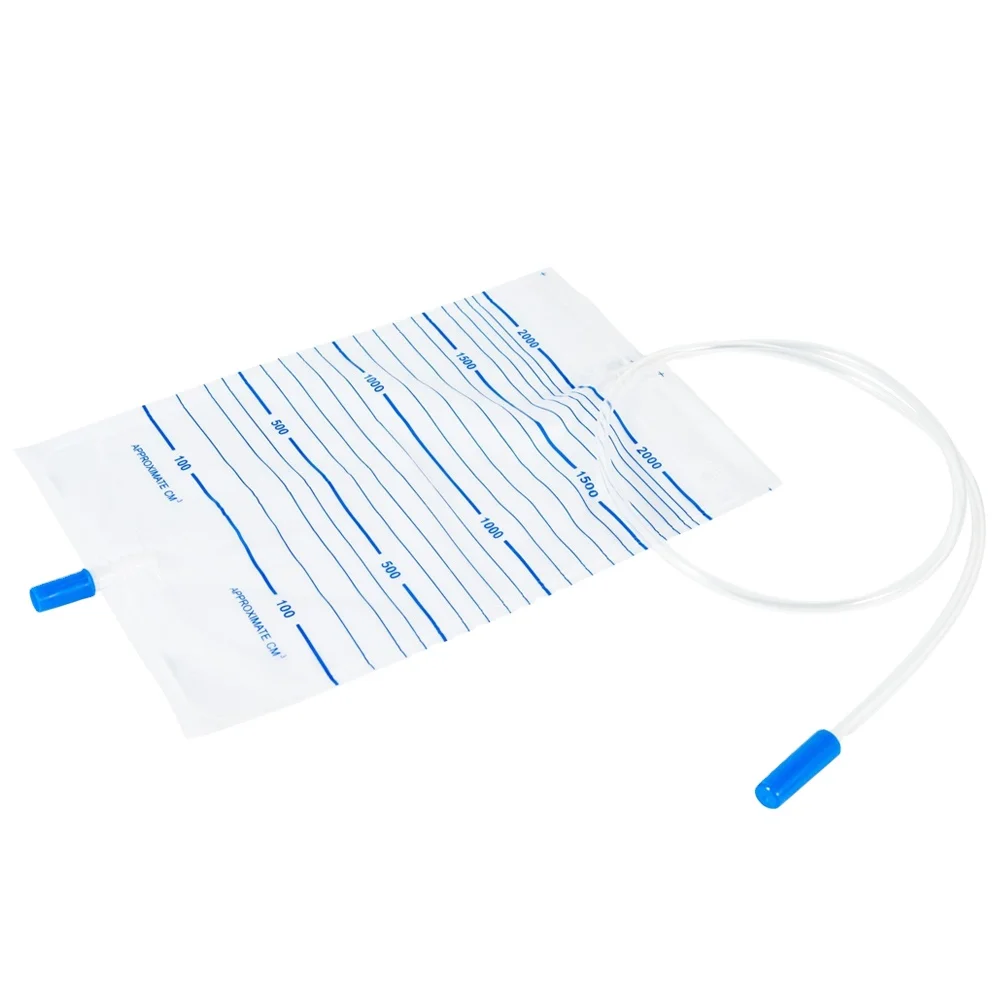
Understanding Anti-Reflux Technology in Medical Drainage Systems
The Science Behind Reflux Prevention
Anti-reflux valves function as one-way barriers that prevent the backward flow of collected urine into the catheter or patient's urinary tract. These sophisticated mechanisms utilize gravity-assisted closures and pressure-sensitive designs to maintain directional flow integrity. When a urine bag incorporates proper anti-reflux technology, it creates a sealed environment that protects against contamination while ensuring efficient drainage. The valve systems typically feature flexible membrane materials that respond to pressure differentials, automatically sealing when reverse flow conditions develop.
Modern anti-reflux designs incorporate multiple safety layers to enhance reliability and performance consistency. Primary valve mechanisms work in conjunction with secondary backup systems to provide redundant protection against reflux events. These advanced engineering solutions ensure that even during patient movement, positioning changes, or temporary pressure variations, the urine bag maintains its protective barrier function. The integration of these technologies represents significant advancement in medical device safety standards.
Material Engineering for Enhanced Performance
The construction materials used in anti-reflux valves must demonstrate exceptional biocompatibility while maintaining mechanical integrity under various clinical conditions. Medical-grade silicones and specialized polymers provide the necessary flexibility and durability for consistent valve operation. These materials undergo rigorous testing protocols to ensure they meet stringent safety requirements for direct contact with biological fluids. Quality manufacturers prioritize material selection that offers optimal performance characteristics while minimizing potential adverse reactions.
Advanced manufacturing processes enable precise valve geometry that optimizes flow dynamics while preventing reflux occurrence. The engineering tolerances required for effective anti-reflux function demand sophisticated production capabilities and quality control measures. Each urine bag component undergoes comprehensive testing to verify proper valve operation before reaching healthcare facilities. This attention to manufacturing detail ensures reliable performance throughout the product's intended use period.
Clinical Benefits of Anti-Reflux Protection
Infection Prevention and Control
Healthcare-associated urinary tract infections represent one of the most common complications in catheterized patients, making anti-reflux protection essential for patient safety. When urine flows backward from the collection bag into the urinary tract, it carries bacteria and other pathogens that can establish dangerous infections. A properly functioning urine bag with anti-reflux features creates an effective barrier against this bacterial migration, significantly reducing infection risks.
Clinical studies consistently demonstrate lower infection rates in patients using drainage systems with integrated anti-reflux protection compared to standard collection methods. The prevention of retrograde bacterial contamination helps maintain sterile urinary tract conditions and supports faster patient recovery. Healthcare facilities implementing comprehensive anti-reflux protocols report measurable improvements in patient outcomes and reduced antibiotic usage. These infection control benefits translate directly into improved quality of care and reduced healthcare costs.
Enhanced Patient Comfort and Mobility
Patients equipped with anti-reflux urine bag systems experience greater freedom of movement without compromising drainage effectiveness or safety. The protective valve mechanisms allow for normal positioning changes, ambulation, and daily activities while maintaining proper drainage function. This enhanced mobility contributes to improved patient morale and supports rehabilitation efforts across various clinical settings. The psychological benefits of maintained dignity and independence cannot be understated in the healing process.
Advanced anti-reflux designs accommodate different patient positions and activity levels without requiring constant monitoring or repositioning. The automatic valve function provides continuous protection regardless of bag orientation or patient movement patterns. This reliability enables healthcare providers to focus on other aspects of patient care while maintaining confidence in drainage system integrity. The combination of safety and convenience makes anti-reflux technology an essential feature in modern urine bag design.
Quality Standards and Manufacturing Excellence
Regulatory Compliance and Testing Protocols
Medical device manufacturers must adhere to strict regulatory standards when producing urine bag systems with anti-reflux capabilities. International quality standards such as ISO 13485 and FDA guidelines establish comprehensive requirements for design, manufacturing, and performance validation. These regulatory frameworks ensure that anti-reflux mechanisms meet rigorous safety and efficacy criteria before entering clinical use. Compliance documentation provides healthcare providers with confidence in product reliability and patient safety.
Extensive testing protocols evaluate anti-reflux performance under various simulated clinical conditions including pressure variations, temperature changes, and mechanical stress. Manufacturers conduct accelerated aging studies to verify long-term valve functionality and material stability. Each production batch undergoes quality assurance testing to confirm consistent anti-reflux performance across all units. This comprehensive approach to quality control ensures that every urine bag meets established performance standards.
Innovation in Design and Manufacturing
Leading manufacturers continuously invest in research and development to improve anti-reflux technology and overall urine bag performance. Advanced computer modeling and simulation techniques enable optimization of valve designs for enhanced reliability and flow characteristics. Manufacturing innovations include automated production processes that ensure consistent quality while reducing production costs. These technological advances benefit healthcare providers through improved product performance and competitive pricing.
Sustainable manufacturing practices increasingly influence urine bag production methods while maintaining strict quality standards. Environmental considerations drive material selection and manufacturing process optimization without compromising product safety or performance. The integration of eco-friendly approaches with medical device requirements represents an important evolution in healthcare product development. This balance between environmental responsibility and clinical excellence defines the future direction of medical device manufacturing.
Selection Criteria for Healthcare Providers
Evaluating Anti-Reflux Performance Features
Healthcare procurement professionals must consider multiple factors when selecting urine bag systems with anti-reflux capabilities for their facilities. Primary evaluation criteria include valve reliability, flow rate capacity, and resistance to common clinical challenges such as kinking or blockage. Performance documentation from manufacturers should include comprehensive testing data demonstrating anti-reflux effectiveness under realistic clinical conditions. Comparative analysis of different products helps identify the most suitable options for specific patient populations and clinical applications.
Cost-effectiveness analysis must balance initial purchase price with long-term clinical benefits including reduced infection rates and improved patient outcomes. Quality urine bag systems with superior anti-reflux protection may justify higher initial costs through reduced complication rates and shorter hospital stays. Healthcare administrators increasingly recognize that investing in premium drainage products delivers measurable returns through improved patient care metrics and operational efficiency.
Integration with Existing Clinical Protocols
Successful implementation of anti-reflux urine bag systems requires integration with existing nursing protocols and staff training programs. Healthcare facilities must ensure that clinical staff understand proper installation, monitoring, and maintenance procedures for optimal anti-reflux performance. Training programs should emphasize the importance of proper positioning and handling techniques to maintain valve integrity throughout the drainage period. Consistent adherence to established protocols maximizes the clinical benefits of anti-reflux technology.
Documentation and monitoring systems should track anti-reflux performance and patient outcomes to validate product selection decisions. Quality improvement initiatives can utilize this data to refine clinical protocols and identify opportunities for enhanced patient care. The systematic approach to anti-reflux technology implementation ensures maximum benefit realization while supporting continuous improvement efforts. Healthcare providers who invest in comprehensive implementation strategies achieve superior results with anti-reflux drainage systems.
Future Developments in Anti-Reflux Technology
Smart Monitoring and Digital Integration
Emerging technologies promise to enhance anti-reflux urine bag systems through smart monitoring capabilities and digital health integration. Sensor-equipped drainage bags can provide real-time data on flow rates, valve function, and potential complications. These intelligent systems enable proactive intervention and reduce the risk of drainage-related complications. Healthcare providers gain valuable insights into patient condition and treatment effectiveness through continuous monitoring data.
Digital connectivity allows for remote monitoring and automated alert systems that notify healthcare staff of potential issues with urine bag performance. Integration with electronic health records enables comprehensive tracking of drainage patterns and patient responses to treatment interventions. These technological advances support evidence-based care decisions and improve overall treatment outcomes. The future of urine bag technology lies in the seamless integration of mechanical reliability with digital intelligence.
Advanced Materials and Manufacturing Techniques
Research into novel biomaterials promises to deliver enhanced anti-reflux valve performance with improved biocompatibility and durability. Nanotechnology applications may enable self-cleaning valve surfaces that resist bacterial adhesion and biofilm formation. Advanced manufacturing techniques such as 3D printing offer opportunities for customized valve designs tailored to specific patient needs or clinical applications. These innovations will further improve the safety and effectiveness of urine bag drainage systems.
Sustainable material development focuses on biodegradable options that maintain clinical performance while reducing environmental impact. The integration of antimicrobial properties directly into urine bag materials may provide additional infection prevention benefits beyond traditional anti-reflux protection. Continued investment in materials science and manufacturing innovation ensures that future drainage systems will offer superior performance while meeting evolving healthcare and environmental requirements.
FAQ
How do anti-reflux valves in urine bags prevent infections
Anti-reflux valves create a one-way barrier that prevents contaminated urine from flowing backward into the urinary tract, significantly reducing the risk of healthcare-associated urinary tract infections. These valves automatically seal when reverse pressure conditions develop, maintaining sterile conditions within the drainage system and protecting patients from bacterial contamination that could lead to serious complications.
What makes a high-quality anti-reflux urine bag system
A superior anti-reflux urine bag features reliable valve mechanisms constructed from medical-grade materials, consistent performance under various clinical conditions, and comprehensive quality testing validation. Key quality indicators include regulatory compliance, documented performance data, and manufacturing standards that ensure consistent valve operation throughout the product's intended use period.
Can patients move freely with anti-reflux urine bag systems
Yes, properly designed anti-reflux urine bag systems allow patients to maintain normal mobility including position changes, ambulation, and daily activities while preserving drainage effectiveness and safety. The automatic valve function provides continuous protection regardless of bag orientation or patient movement, enabling greater independence and supporting rehabilitation efforts.
How do healthcare providers evaluate anti-reflux performance
Healthcare providers should evaluate anti-reflux performance through comprehensive testing data, regulatory compliance documentation, and clinical outcome studies that demonstrate infection prevention effectiveness. Key evaluation criteria include valve reliability, flow capacity, resistance to clinical challenges, and cost-effectiveness analysis that considers both initial purchase price and long-term clinical benefits through reduced complication rates.