
 EN
EN
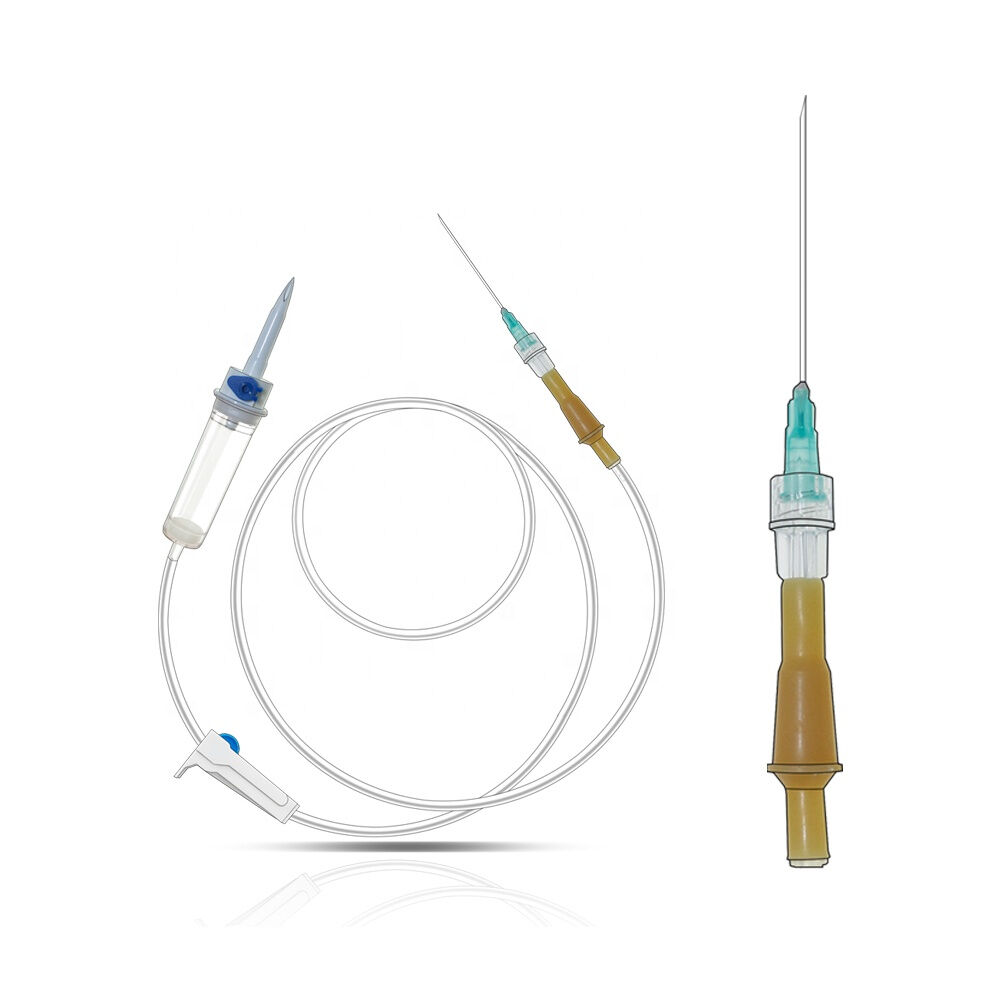
Medical professionals constantly seek innovative solutions to minimize patient discomfort during procedures, and advanced syringe needle technology represents a significant breakthrough in healthcare delivery. Modern healthcare facilities worldwide are adopting cutting-edge needle designs that prioritize patient comfort while maintaining clinical effectiveness. These sophisticated medical instruments incorporate engineering principles that fundamentally transform the injection experience, reducing anxiety and improving overall patient satisfaction.
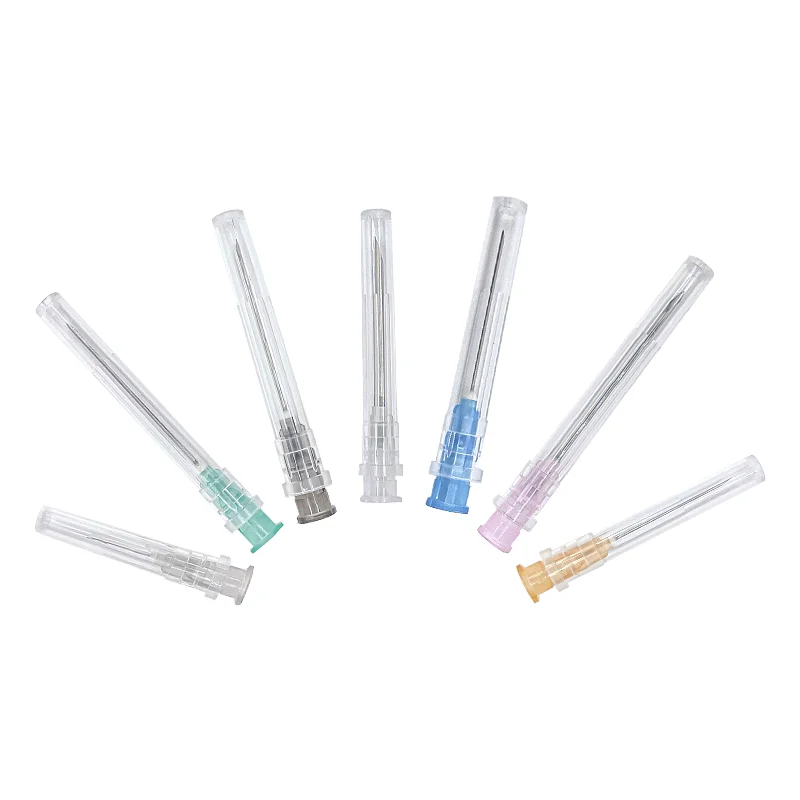
The evolution of syringe needle manufacturing has reached unprecedented levels of precision, with contemporary designs focusing on micro-engineering techniques that enhance patient comfort. Healthcare providers recognize that reducing procedural pain directly correlates with improved patient compliance and better therapeutic outcomes. Advanced needle technologies now incorporate specialized coatings, optimized geometries, and innovative materials that work synergistically to create a more comfortable medical experience.
Understanding Pain Mechanisms in Medical Injections
Physiological Response to Needle Penetration
The human body's response to syringe needle insertion involves complex neurological pathways that transmit pain signals from the injection site to the central nervous system. Nociceptors located in skin and subcutaneous tissues detect mechanical stimuli created by needle penetration, triggering immediate pain responses. Understanding these physiological mechanisms enables manufacturers to design needles that minimize tissue trauma and reduce pain signal generation.
Research demonstrates that pain intensity correlates directly with tissue displacement and cellular damage during needle insertion. Modern syringe needle designs address these factors through precise engineering that reduces the force required for penetration while minimizing tissue disruption. Advanced manufacturing techniques create needle surfaces that glide smoothly through tissue layers, significantly reducing the mechanical stress experienced by patients during medical procedures.
Psychological Factors Affecting Pain Perception
Patient anxiety and fear significantly amplify perceived pain levels during injection procedures, creating a psychological component that healthcare providers must address alongside physical discomfort. Studies reveal that patients who experience less physical pain from improved syringe needle designs also demonstrate reduced anxiety levels in subsequent medical encounters. This psychological benefit extends beyond individual procedures, contributing to long-term improvements in patient healthcare engagement and treatment adherence.
The visual appearance and perceived quality of medical instruments also influence patient confidence and comfort levels. High-quality syringe needle designs with smooth, polished surfaces and precision manufacturing create positive patient impressions that contribute to overall comfort. Healthcare facilities that invest in advanced needle technologies often report improved patient satisfaction scores and reduced procedural anxiety among their patient populations.
Revolutionary Design Features in Modern Needles
Advanced Tip Geometry and Sharpness
Contemporary syringe needle manufacturing employs laser-cutting and precision grinding techniques to create ultra-sharp needle tips with optimized geometries that penetrate skin with minimal force. These advanced tip designs reduce the pressure required for insertion, resulting in less tissue deformation and decreased pain sensation. The geometric precision achieved through modern manufacturing processes ensures consistent performance across millions of needles, providing reliable comfort for patients worldwide.
Specialized bevel angles and cutting-edge profiles work together to create needles that slice cleanly through tissue rather than pushing through it. This fundamental design improvement significantly reduces the tearing and stretching of skin fibers that traditionally contribute to injection pain. Advanced syringe needle manufacturing techniques now produce tips with microscopic precision that rivals surgical instruments in sharpness and consistency.
Surface Coating Technologies
Modern syringe needle surfaces incorporate specialized coatings that reduce friction during insertion and withdrawal, creating a smoother procedural experience for patients. Silicone-based lubricating coatings have revolutionized needle performance by creating a microscopic layer that facilitates tissue penetration with reduced resistance. These advanced surface treatments maintain their effectiveness throughout the injection process, ensuring consistent comfort from initial insertion through final withdrawal.
Biocompatible coating technologies also provide additional benefits including reduced tissue reactivity and improved biocompatibility. Some advanced syringe needle designs incorporate hydrophilic coatings that interact favorably with bodily fluids, further enhancing the smoothness of insertion. These sophisticated surface treatments represent significant investments in patient comfort technology that distinguish premium medical devices from standard alternatives.
Material Science Innovations
High-Grade Stainless Steel Alloys
The selection of premium stainless steel alloys for syringe needle construction directly impacts both performance and patient comfort during medical procedures. Advanced metallurgy produces needles with superior strength-to-weight ratios that maintain structural integrity while allowing for thinner wall construction. These material improvements enable manufacturers to create needles that provide excellent fluid flow characteristics while minimizing the cross-sectional area that must penetrate patient tissue.
Specialized heat treatment processes enhance the mechanical properties of syringe needle materials, creating instruments that resist bending and maintain their sharp cutting edges throughout use. The molecular structure of these advanced alloys provides optimal balance between flexibility and rigidity, ensuring that needles penetrate tissue smoothly without buckling or deflecting. This material science advancement directly translates to improved patient comfort and procedural reliability.
Precision Wall Thickness Engineering
Modern manufacturing techniques enable precise control over syringe needle wall thickness, optimizing the relationship between structural strength and patient comfort. Thinner walls reduce the overall needle diameter while maintaining adequate strength for clinical applications, resulting in less tissue displacement during insertion. Advanced engineering calculations determine optimal wall thickness specifications that balance mechanical performance with patient comfort requirements.
Computer-aided design tools now enable manufacturers to create syringe needle profiles that optimize material distribution for maximum performance. These sophisticated design approaches consider factors including stress concentration, fatigue resistance, and manufacturing tolerances to produce needles that consistently deliver superior patient experiences. The precision achievable through modern manufacturing processes ensures that theoretical design advantages translate into real-world patient comfort improvements.
Manufacturing Process Enhancements
Quality Control and Consistency Standards
Contemporary syringe needle manufacturing incorporates rigorous quality control measures that ensure every needle meets exacting standards for patient comfort and safety. Automated inspection systems utilize advanced optical technologies to verify tip geometry, surface finish, and dimensional accuracy across entire production runs. These quality assurance protocols guarantee that patients receive consistently high-performance needles regardless of production batch or manufacturing timing.
Statistical process control methodologies enable manufacturers to maintain tight tolerances on critical syringe needle dimensions that directly affect patient comfort. Real-time monitoring systems track production parameters and automatically adjust manufacturing processes to maintain optimal performance characteristics. This systematic approach to quality control ensures that advanced design features consistently translate into improved patient experiences across millions of medical procedures annually.
Sterility and Safety Considerations
Advanced sterilization processes for syringe needle manufacturing incorporate multiple validation steps to ensure complete pathogen elimination while preserving needle performance characteristics. Gamma radiation sterilization techniques provide thorough microbial destruction without affecting the mechanical properties or surface coatings that contribute to patient comfort. These sterilization protocols meet or exceed international standards while maintaining the precision features that distinguish advanced needle designs.
Packaging innovations protect sterilized syringe needle integrity during storage and distribution, ensuring that performance characteristics remain intact until the moment of use. Advanced packaging materials provide barrier protection against contamination while allowing easy access during medical procedures. These comprehensive safety measures support the overall goal of providing patients with reliable, comfortable medical instruments that meet the highest standards of clinical excellence.
Clinical Applications and Benefits
Pediatric and Geriatric Considerations
Advanced syringe needle designs provide particular benefits for vulnerable patient populations including children and elderly individuals who may be more sensitive to procedural discomfort. Pediatric applications benefit significantly from reduced insertion forces and smoother penetration characteristics that minimize fear and anxiety during medical procedures. The psychological benefits of comfortable injections extend beyond individual procedures, helping to establish positive associations with healthcare that benefit patients throughout their lives.
Geriatric patients often present unique challenges including fragile skin and reduced pain tolerance that make advanced needle technologies particularly valuable. Specialized syringe needle designs with optimized tip geometries and surface treatments provide gentle tissue penetration that accommodates age-related physiological changes. Healthcare providers working with elderly populations report significant improvements in patient cooperation and procedure completion rates when using advanced needle technologies.
Chronic Disease Management
Patients requiring frequent injections for chronic disease management benefit enormously from advanced syringe needle technologies that reduce cumulative discomfort over extended treatment periods. Diabetic patients performing daily insulin injections experience improved quality of life when using needles designed with comfort-enhancing features. The reduced pain and tissue trauma associated with advanced needle designs contribute to better treatment adherence and improved long-term health outcomes.
Healthcare providers managing patients with chronic conditions report that comfortable injection experiences contribute to improved patient relationships and treatment compliance. Advanced syringe needle technologies support comprehensive care strategies that prioritize patient comfort alongside clinical effectiveness. These holistic approaches to patient care recognize that procedural comfort directly impacts treatment success and long-term health outcomes.
Future Developments and Innovations
Emerging Technologies
Research and development efforts in syringe needle technology continue to push the boundaries of patient comfort through innovative approaches including smart materials and nanotechnology applications. Future needle designs may incorporate shape-memory alloys that optimize their geometry in response to tissue temperatures, providing enhanced comfort through adaptive functionality. These emerging technologies represent the next generation of patient-centered medical device innovation.
Nanotechnology applications in syringe needle surface treatments promise even greater reductions in insertion force and tissue trauma through molecular-level engineering of needle-tissue interfaces. Advanced computational modeling techniques enable researchers to simulate needle-tissue interactions with unprecedented precision, accelerating the development of comfort-enhancing design features. These technological advances continue the evolution toward increasingly patient-friendly medical procedures.
Integration with Digital Health Technologies
Future syringe needle developments may incorporate sensors and connectivity features that provide real-time feedback on injection parameters and patient comfort levels. These smart medical devices could automatically adjust injection rates and provide healthcare providers with objective data on procedural success and patient experience. The integration of digital technologies with traditional medical instruments represents an exciting frontier in personalized healthcare delivery.
Artificial intelligence applications may eventually enable syringe needle systems to learn from individual patient responses and optimize injection parameters for maximum comfort. These sophisticated systems could revolutionize medical procedures by providing personalized comfort optimization based on individual patient physiology and pain sensitivity. The convergence of advanced materials science and digital health technologies promises continued improvements in patient care quality and procedural outcomes.
FAQ
What makes modern syringe needles less painful than traditional designs
Modern syringe needles incorporate multiple design improvements including ultra-sharp tips with optimized geometries, specialized surface coatings that reduce friction, and precision-engineered materials that minimize tissue trauma. These advanced features work together to reduce the force required for insertion while providing smoother penetration through tissue layers. The combination of improved sharpness, reduced friction, and optimized materials creates a significantly more comfortable injection experience for patients.
How do surface coatings improve needle performance
Surface coatings on advanced syringe needles create a microscopic lubricating layer that reduces friction during tissue penetration and withdrawal. Silicone-based and hydrophilic coatings interact favorably with bodily tissues and fluids, facilitating smoother insertion with less resistance. These specialized coatings maintain their effectiveness throughout the injection process and contribute significantly to reduced patient discomfort during medical procedures.
What role does needle tip geometry play in patient comfort
Needle tip geometry directly affects how the syringe needle interacts with patient tissue during insertion, with optimized designs requiring less force and causing minimal tissue displacement. Advanced manufacturing techniques create ultra-sharp tips with precise bevel angles that slice cleanly through skin rather than pushing through it. This geometric precision reduces tissue tearing and stretching, which are primary sources of injection pain, resulting in significantly improved patient comfort.
How do manufacturing quality controls ensure consistent needle performance
Modern syringe needle manufacturing incorporates automated inspection systems and statistical process controls that verify critical dimensions and performance characteristics across entire production runs. Advanced optical inspection technologies check tip sharpness, surface finish, and dimensional accuracy to ensure every needle meets exacting standards for patient comfort. These rigorous quality control measures guarantee consistent performance and reliable patient experiences regardless of production batch or timing.