
 EN
EN
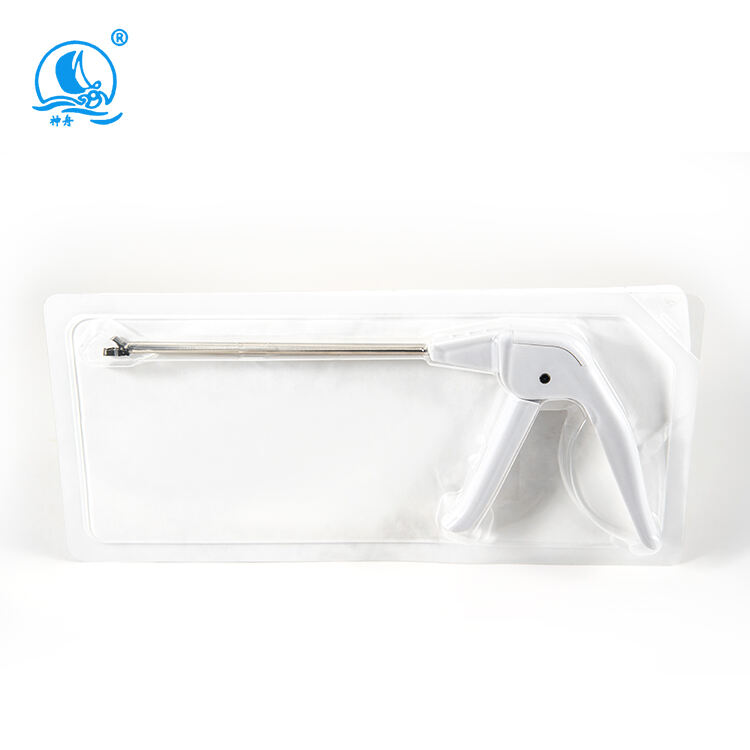
Modern medical procedures increasingly rely on precise diagnostic tools, with biopsy forceps serving as essential instruments for tissue sampling across various medical specialties. The ongoing debate between single-use and reusable biopsy forceps continues to shape procurement decisions in healthcare facilities worldwide, impacting both clinical outcomes and operational efficiency.
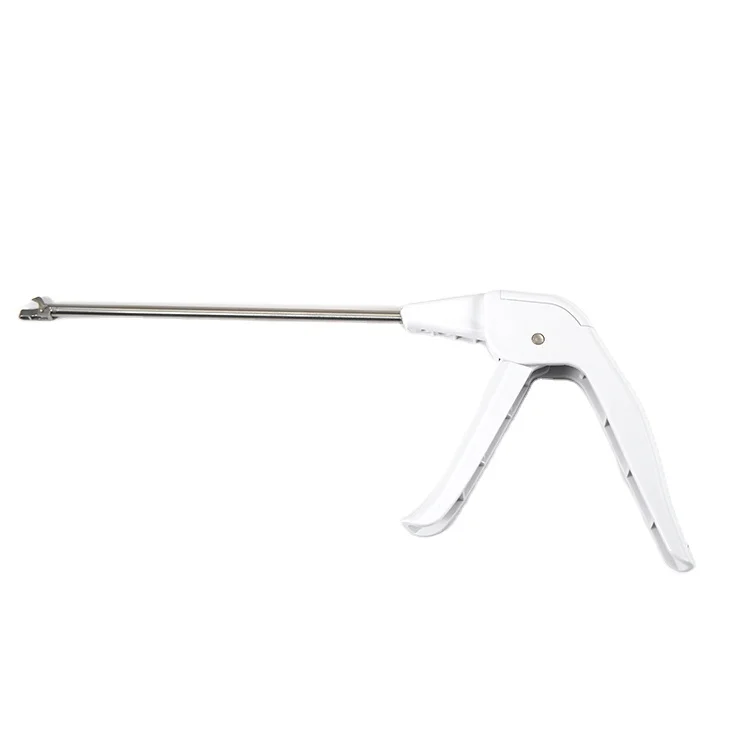
Healthcare administrators and medical professionals must carefully evaluate the advantages and limitations of each option when selecting biopsy forceps for their facilities. This comprehensive analysis examines the critical factors influencing this decision, including cost considerations, safety protocols, and clinical performance standards that directly affect patient care quality.
Understanding Biopsy Forceps Technology
Basic Functionality and Design
Biopsy forceps operate through precise mechanical systems designed to capture tissue samples with minimal trauma to surrounding areas. These specialized instruments feature carefully engineered jaw mechanisms that provide controlled pressure distribution, ensuring consistent sample quality across different tissue types and anatomical locations.
The fundamental design principles governing biopsy forceps construction emphasize durability, precision, and ergonomic handling characteristics. Modern manufacturing techniques incorporate advanced materials and surface treatments that enhance performance while maintaining the sterility requirements essential for safe medical procedures.
Material Composition and Manufacturing Standards
Contemporary biopsy forceps utilize high-grade stainless steel alloys specifically selected for their corrosion resistance and mechanical strength properties. These materials undergo rigorous testing protocols to ensure compliance with international medical device standards, including biocompatibility assessments and sterility validation procedures.
Manufacturing processes for quality biopsy forceps incorporate precision machining techniques and strict quality control measures. Each instrument undergoes multiple inspection stages to verify dimensional accuracy, surface finish quality, and functional performance before reaching clinical environments.
Single-Use Biopsy Forceps Advantages
Sterility Assurance and Infection Control
Single-use biopsy forceps eliminate cross-contamination risks by providing fresh, sterile instruments for each procedure. This approach significantly reduces the potential for healthcare-associated infections, particularly important in high-risk patient populations and invasive diagnostic procedures requiring absolute sterility.
The guaranteed sterility of disposable biopsy forceps removes the uncertainty associated with reprocessing procedures, where incomplete sterilization or cleaning could compromise patient safety. Healthcare facilities benefit from simplified infection control protocols when utilizing single-use instruments consistently across all procedures.
Operational Efficiency and Cost Predictability
Disposable biopsy forceps streamline hospital operations by eliminating time-consuming reprocessing workflows, including cleaning, sterilization, and quality verification steps. This operational simplification allows medical staff to focus on patient care rather than instrument maintenance activities.
The predictable per-procedure costs associated with single-use biopsy forceps facilitate accurate budget planning and procurement forecasting. Healthcare administrators can easily calculate exact instrument costs per case, simplifying financial planning and eliminating unexpected maintenance expenses.
Reusable Biopsy Forceps Benefits
Long-Term Economic Considerations
Reusable biopsy forceps offer significant cost advantages for high-volume procedures through extended instrument lifecycles and reduced per-procedure expenses. Quality reusable instruments can withstand hundreds of sterilization cycles while maintaining optimal performance characteristics, creating substantial cost savings over time.
The initial investment in premium reusable biopsy forceps typically recovers within months through reduced ongoing procurement costs. Healthcare facilities performing frequent biopsy procedures often realize significant budget improvements by transitioning to carefully maintained reusable instrument systems.
Environmental Impact and Sustainability
Reusable biopsy forceps contribute to environmental sustainability initiatives by dramatically reducing medical waste generation compared to single-use alternatives. This environmental consideration increasingly influences procurement decisions as healthcare organizations prioritize sustainability goals alongside clinical performance requirements.
The reduced packaging requirements and transportation impacts associated with reusable biopsy forceps further enhance their environmental profile. Healthcare facilities committed to green practices often favor reusable instruments as part of comprehensive sustainability programs.
Clinical Performance Comparison
Precision and Reliability Factors
Clinical studies demonstrate comparable diagnostic accuracy between high-quality single-use and reusable biopsy forceps when properly maintained and utilized according to manufacturer specifications. The key performance factors include consistent jaw closure pressure, sharp cutting edges, and reliable mechanism operation throughout the instrument lifecycle.
Reusable biopsy forceps may experience gradual performance degradation over multiple use cycles, particularly affecting cutting edge sharpness and mechanism precision. Regular inspection and maintenance protocols help identify when replacement becomes necessary to maintain optimal clinical performance standards.
Sample Quality and Diagnostic Accuracy
Both single-use and reusable biopsy forceps can achieve excellent sample quality when manufactured to appropriate standards and utilized by trained medical professionals. The critical factors influencing sample adequacy include proper technique, appropriate instrument selection, and maintaining sharp, precise cutting surfaces.
Single-use biopsy forceps provide consistent performance characteristics for each procedure, eliminating variables associated with instrument wear and maintenance quality. This consistency can be particularly valuable in challenging biopsy procedures where optimal instrument performance directly impacts diagnostic success rates.
Safety and Risk Management
Infection Prevention Protocols
Comprehensive infection prevention requires careful consideration of biopsy forceps selection and handling protocols. Single-use instruments eliminate reprocessing-related risks but require proper disposal procedures to prevent needle stick injuries and environmental contamination from discarded devices.
Reusable biopsy forceps demand rigorous cleaning and sterilization protocols to ensure complete elimination of potentially infectious materials. Healthcare facilities must maintain detailed reprocessing records and implement regular quality assurance testing to verify sterilization effectiveness.
Regulatory Compliance Considerations
Both single-use and reusable biopsy forceps must comply with stringent medical device regulations governing design, manufacturing, and clinical use. Healthcare facilities bear responsibility for ensuring proper instrument utilization and maintaining compliance with applicable safety standards throughout the device lifecycle.
Regulatory requirements for reprocessing reusable biopsy forceps include documentation of cleaning procedures, sterilization parameters, and quality control testing results. These compliance obligations require dedicated resources and systematic record-keeping to satisfy inspection requirements.
Cost Analysis and Budget Planning
Direct Cost Comparisons
Accurate cost analysis for biopsy forceps requires consideration of both direct purchase prices and associated operational expenses. Single-use instruments carry higher per-procedure costs but eliminate reprocessing expenses, while reusable options require significant upfront investment offset by lower ongoing costs.
The break-even point between single-use and reusable biopsy forceps depends on procedure volume, instrument lifecycle, and reprocessing costs specific to each healthcare facility. Detailed cost modeling helps administrators make informed decisions based on their unique operational circumstances.
Hidden Cost Factors
Comprehensive cost analysis must account for indirect expenses including storage requirements, inventory management, waste disposal fees, and staff time for reprocessing activities. These hidden costs can significantly impact the total cost of ownership for both single-use and reusable biopsy forceps systems.
Risk-related costs such as potential infection control failures, instrument replacement due to damage, and regulatory compliance activities also influence the economic equation. Healthcare facilities should incorporate these risk factors into their decision-making processes when evaluating biopsy forceps options.
Selection Criteria and Decision Framework
Facility-Specific Considerations
The optimal choice between single-use and reusable biopsy forceps varies significantly based on individual healthcare facility characteristics, including procedure volume, available resources, and existing infrastructure capabilities. Large hospitals with high biopsy volumes may benefit from reusable systems, while smaller facilities might prefer the simplicity of disposable options.
Specialized medical procedures requiring specific biopsy forceps configurations may limit available options, potentially favoring one approach over another. Healthcare facilities should evaluate their specific procedural requirements and match them with available instrument options to ensure optimal clinical outcomes.
Future Technology Trends
Emerging technologies in biopsy forceps design continue to improve both single-use and reusable options, incorporating advanced materials, enhanced ergonomics, and improved precision mechanisms. These innovations may influence future cost comparisons and clinical performance characteristics.
The integration of digital technologies and smart features into biopsy forceps systems represents an evolving trend that could impact selection criteria. Healthcare facilities should consider their technology adoption strategies when planning long-term biopsy forceps procurement approaches.
FAQ
What factors determine the lifespan of reusable biopsy forceps
The lifespan of reusable biopsy forceps depends on usage frequency, maintenance quality, and manufacturing standards. High-quality instruments can typically withstand 200-500 sterilization cycles while maintaining optimal performance, though regular inspection is essential to identify signs of wear or damage that might compromise functionality.
How do single-use biopsy forceps compare in terms of sample quality
Single-use biopsy forceps generally provide consistent sample quality since each instrument is fresh and sharp for every procedure. This consistency eliminates variables associated with instrument wear, ensuring optimal cutting performance and tissue preservation for accurate pathological analysis.
What are the environmental implications of choosing disposable options
Single-use biopsy forceps generate significantly more medical waste compared to reusable alternatives, contributing to environmental concerns through increased disposal requirements and packaging materials. Healthcare facilities focused on sustainability often prefer reusable options as part of their environmental stewardship initiatives.
How should healthcare facilities evaluate total cost of ownership
Total cost evaluation should include direct purchase prices, reprocessing expenses, storage costs, waste disposal fees, and staff time requirements. Healthcare facilities should also consider risk-related costs such as potential infection control issues and regulatory compliance activities when making comprehensive cost comparisons between single-use and reusable biopsy forceps systems.