
 EN
EN
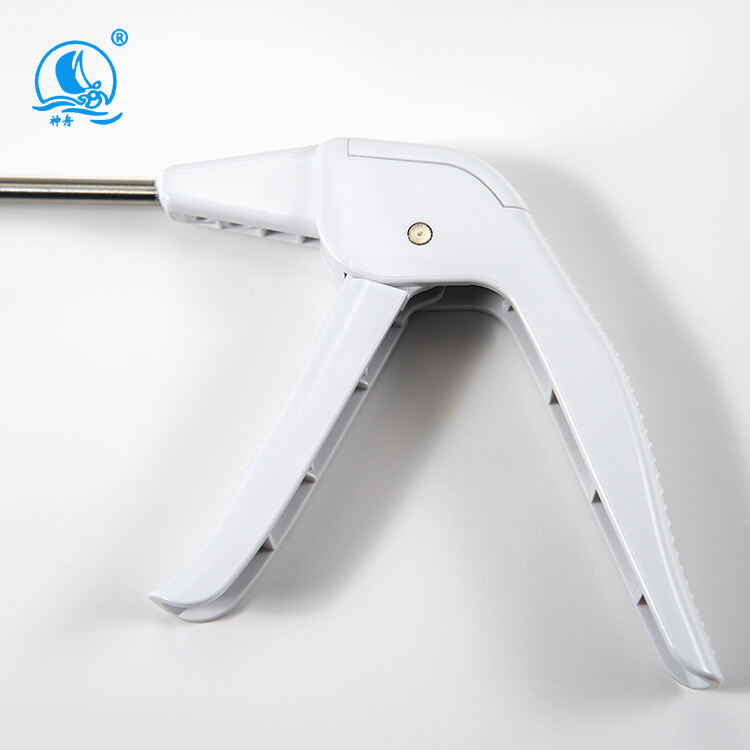
Medical professionals conducting tissue sampling procedures require precision instruments that deliver reliable results while ensuring patient safety. The selection of appropriate biopsy forceps represents a critical decision that directly impacts diagnostic accuracy, procedural efficiency, and patient outcomes. Understanding the key factors that distinguish quality biopsy forceps from standard alternatives enables healthcare providers to make informed purchasing decisions that enhance their clinical capabilities and improve patient care standards.
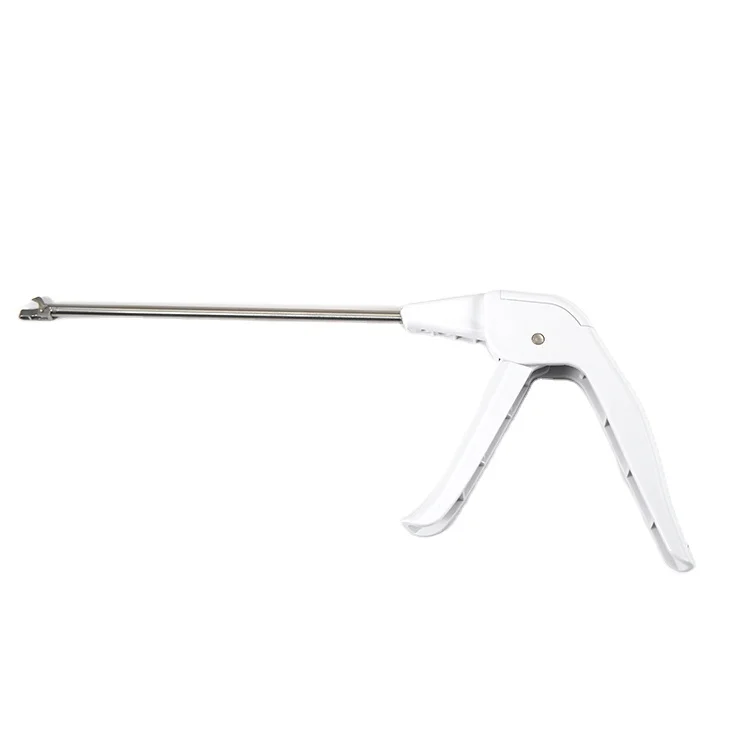
Modern healthcare facilities increasingly demand versatile biopsy forceps that accommodate various tissue sampling requirements while maintaining consistent performance across different anatomical sites. The evolution of minimally invasive procedures has elevated the importance of selecting instruments that combine durability, precision, and ergonomic design to support extended procedural use without compromising tissue integrity or diagnostic quality.
Essential Design Features of Professional Biopsy Forceps
Jaw Configuration and Tissue Gripping Mechanisms
The jaw design of biopsy forceps fundamentally determines the instrument's ability to secure and extract tissue samples effectively. Professional-grade biopsy forceps feature precisely engineered jaw configurations that optimize tissue retention while minimizing crushing artifacts that could compromise histological examination. Sharp, well-aligned cutting edges ensure clean tissue separation, reducing the likelihood of tissue fragmentation during sample collection procedures.
Advanced biopsy forceps incorporate specialized gripping surfaces that enhance tissue retention without excessive compression. These textured or serrated surfaces provide sufficient grip strength to secure samples during extraction while preventing tissue slippage that could result in incomplete sampling. The spacing between jaw elements must accommodate various tissue densities and anatomical variations encountered in clinical practice.
Handle Ergonomics and Control Mechanisms
Ergonomic handle design significantly influences procedural efficiency and practitioner comfort during extended tissue sampling sessions. Quality biopsy forceps feature contoured handles that reduce hand fatigue while providing precise control over jaw opening and closing mechanisms. The handle length and grip diameter should accommodate different hand sizes and glove types commonly used in clinical environments.
Control mechanisms within biopsy forceps must deliver consistent actuation force throughout the instrument's operational lifespan. Spring-loaded systems that maintain uniform jaw pressure ensure reliable tissue sampling regardless of the number of previous uses. Smooth actuation reduces the physical strain on practitioners while improving procedural precision and sample quality consistency.
Material Quality and Manufacturing Standards
Stainless Steel Composition and Durability
Premium biopsy forceps utilize high-grade stainless steel alloys that resist corrosion, maintain sharpness, and withstand repeated sterilization cycles. The steel composition directly affects the instrument's longevity, performance consistency, and resistance to chemical degradation from cleaning agents and sterilization processes. Medical-grade stainless steel provides the optimal balance of strength, flexibility, and biocompatibility required for tissue sampling applications.
Manufacturing precision determines the alignment accuracy and operational smoothness of biopsy forceps components. Quality control measures during production ensure that jaw alignment remains consistent, preventing tissue crushing or incomplete sampling that could compromise diagnostic results. Surface finishing techniques eliminate rough edges or burrs that might damage delicate tissues during sampling procedures.
Sterilization Compatibility and Maintenance Requirements
Professional biopsy forceps must withstand various sterilization methods without degrading performance or structural integrity. Instruments designed for repeated autoclave cycles maintain their mechanical properties and surface finish throughout extended use periods. Compatibility with chemical sterilization methods expands facility options for infection control protocols while ensuring consistent instrument availability.
Maintenance requirements vary significantly among different biopsy forceps designs, affecting long-term operational costs and instrument availability. Simplified cleaning procedures and minimal maintenance demands reduce the burden on facility staff while ensuring consistent instrument readiness. Instruments requiring specialized maintenance protocols may increase operational costs and reduce procedural scheduling flexibility.
Clinical Application Considerations
Anatomical Site Compatibility
Different anatomical sites require specific biopsy forceps characteristics to achieve optimal sampling results. Gastrointestinal procedures demand instruments with flexible shafts that navigate curved anatomical pathways while maintaining precise control over jaw positioning. Respiratory tract sampling requires biopsy forceps with appropriate diameter and length specifications that accommodate bronchoscopic access channels.
Tissue density variations across different anatomical locations influence the jaw force requirements and cutting edge specifications needed for effective sampling. Dense fibrous tissues require biopsy forceps with enhanced cutting capabilities, while delicate mucosal surfaces need gentler instruments that minimize trauma during sample collection. Understanding these anatomical requirements guides appropriate instrument selection for specific clinical applications.
Sample Size and Quality Requirements
Diagnostic requirements determine the minimum sample size and quality standards that biopsy forceps must achieve consistently. Histological examinations require intact tissue architecture without significant crushing artifacts, necessitating biopsy forceps with sharp cutting edges and controlled compression forces. Larger sample requirements may demand instruments with increased jaw capacity while maintaining sample integrity during extraction.
Sample orientation and handling characteristics influence the selection of appropriate biopsy forceps designs. Instruments that maintain tissue orientation during sampling facilitate more accurate histological interpretation and improve diagnostic confidence. The ability to extract samples without fragmentation reduces the need for repeat procedures and enhances overall diagnostic efficiency.
Safety Features and Risk Management
Patient Safety Mechanisms
Advanced biopsy forceps incorporate safety features that minimize patient risk during tissue sampling procedures. Controlled jaw pressure mechanisms prevent excessive tissue compression that could cause unnecessary patient discomfort or tissue damage. Smooth surface finishes eliminate sharp edges that might inadvertently injure surrounding tissues during instrument manipulation.
Visibility enhancement features, such as radiopaque markers or specialized surface treatments, improve instrument tracking during fluoroscopic or endoscopic procedures. These features enable precise positioning and reduce the likelihood of inadvertent tissue damage or incomplete sampling. Enhanced visibility also facilitates instrument retrieval and confirms complete removal from the patient.
Practitioner Safety and Handling
Biopsy forceps design must prioritize practitioner safety through features that prevent accidental injury during handling and use. Secure locking mechanisms prevent inadvertent jaw closure during instrument preparation or transport. Ergonomic design reduces the risk of repetitive strain injuries during extended procedural sessions or high-volume sampling requirements.
Clear visual indicators for jaw position and locking status enhance procedural safety by providing immediate feedback on instrument status. These features reduce the cognitive load on practitioners while improving procedural efficiency and safety margins. Intuitive operation reduces training requirements and minimizes the potential for operator error during critical sampling procedures.
Cost-Effectiveness and Value Analysis
Initial Investment Versus Long-Term Value
The cost analysis of biopsy forceps extends beyond initial purchase price to encompass operational lifespan, maintenance requirements, and replacement frequency. Premium instruments often provide superior long-term value through extended operational life and consistent performance characteristics. Lower-cost alternatives may require more frequent replacement, ultimately increasing total ownership costs over time.
Procedural efficiency gains from high-quality biopsy forceps can offset higher initial costs through reduced procedure times and improved first-pass sampling success rates. Reliable instruments minimize the need for repeat procedures, reducing overall procedural costs and improving patient satisfaction. The economic impact of diagnostic delays or inadequate samples often exceeds the cost differential between standard and premium biopsy forceps options.
Facility-Specific Requirements and Budget Constraints
Different healthcare facilities have varying requirements for biopsy forceps based on procedural volume, case complexity, and budget limitations. High-volume facilities may benefit from investing in premium instruments that withstand frequent use while maintaining consistent performance. Specialized procedures may require specific biopsy forceps features that justify higher costs through improved procedural outcomes.
Budget planning should account for the total cost of ownership, including initial purchase price, maintenance expenses, replacement frequency, and operational efficiency impacts. Facilities with limited budgets may need to balance cost constraints with performance requirements, potentially selecting instruments that meet minimum performance standards while remaining financially viable for the organization.
Selection Criteria and Decision Framework
Establishing Performance Requirements
Developing clear performance criteria for biopsy forceps selection ensures that chosen instruments meet specific clinical needs and procedural requirements. Performance specifications should address sample quality standards, procedural efficiency expectations, and compatibility with existing equipment and protocols. Establishing minimum performance thresholds helps eliminate unsuitable options while focusing evaluation efforts on qualified instruments.
Clinical staff input during the selection process ensures that chosen biopsy forceps meet practical user requirements and preferences. Practitioner feedback regarding ergonomics, control mechanisms, and procedural performance provides valuable insights that influence final selection decisions. Involving end users in the evaluation process increases acceptance and satisfaction with selected instruments.
Vendor Evaluation and Quality Assurance
Vendor reputation and quality assurance programs significantly influence the reliability and consistency of biopsy forceps performance over time. Established manufacturers with comprehensive quality control systems typically provide more consistent product quality and better customer support services. Vendor responsiveness to quality issues and willingness to address performance concerns affects long-term satisfaction with selected instruments.
Documentation requirements and regulatory compliance vary among different biopsy forceps manufacturers and product lines. Vendors providing comprehensive documentation packages, including performance specifications, safety data, and regulatory clearances, simplify facility compliance efforts. Quality certifications and manufacturing standards provide additional assurance of product quality and consistency across production batches.
FAQ
What factors determine the appropriate jaw size for biopsy forceps?
Jaw size selection depends on the target tissue type, anatomical access requirements, and desired sample size. Larger jaws accommodate bigger tissue samples but may be challenging to maneuver in confined spaces. Smaller jaws provide better maneuverability but limit sample size, potentially requiring multiple sampling attempts to obtain adequate tissue for diagnosis.
How often should biopsy forceps be replaced or refurbished?
Replacement frequency varies based on usage volume, sterilization methods, and performance standards. High-quality biopsy forceps typically maintain acceptable performance for hundreds of procedures when properly maintained. Visual inspection for jaw alignment, cutting edge sharpness, and mechanical function should guide replacement decisions rather than arbitrary time intervals.
Can disposable biopsy forceps match the performance of reusable instruments?
Modern disposable biopsy forceps often provide comparable performance to reusable instruments while eliminating sterilization requirements and cross-contamination risks. Disposable options may be cost-effective for low-volume procedures or facilities with limited sterilization capabilities. However, high-volume facilities may find reusable instruments more economical despite higher initial costs and maintenance requirements.
What safety certifications should be considered when selecting biopsy forceps?
Essential certifications include FDA clearance for medical devices, ISO quality management standards, and relevant biocompatibility testing documentation. CE marking indicates European regulatory compliance, while other regional certifications may be required depending on facility location. Manufacturer quality certifications and adherence to medical device manufacturing standards provide additional assurance of product safety and reliability.