
 EN
EN
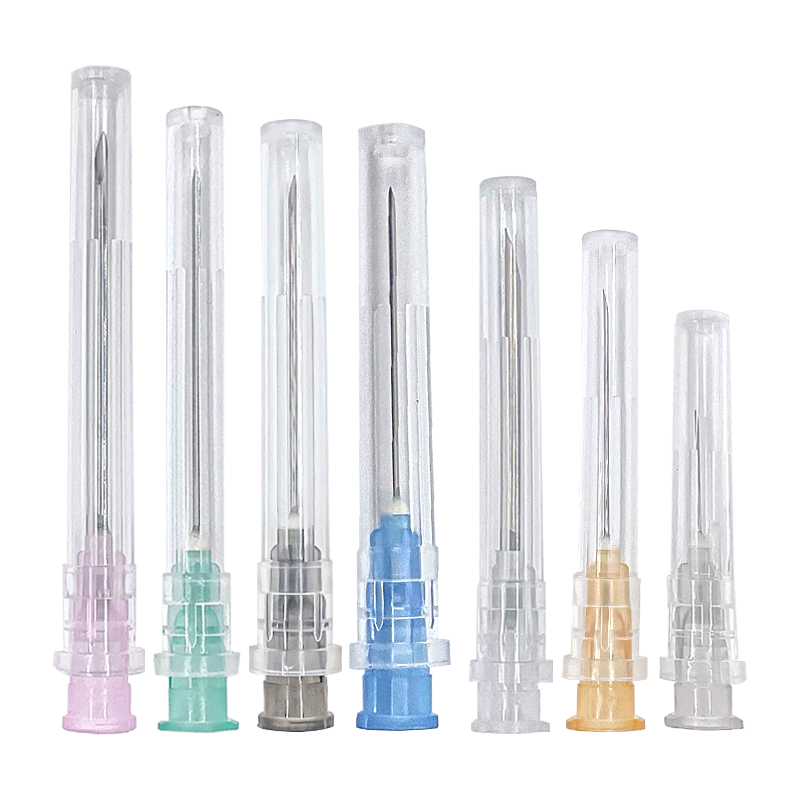
The material composition of a syringe needle fundamentally determines its performance characteristics, durability, and clinical effectiveness. Healthcare professionals rely on high-quality syringe needle materials to ensure precise injections, minimize patient discomfort, and maintain sterile conditions throughout medical procedures. Understanding how different materials impact needle durability helps medical facilities make informed procurement decisions while optimizing patient care outcomes.
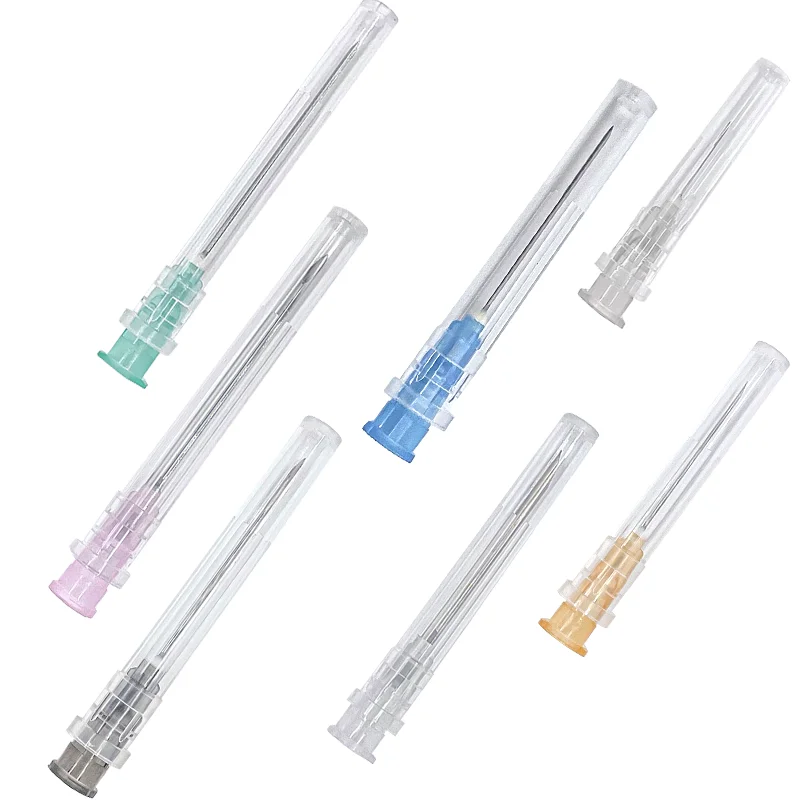
Material Composition and Manufacturing Standards
Stainless Steel Properties in Medical Applications
Stainless steel remains the predominant material for syringe needle manufacturing due to its exceptional corrosion resistance and mechanical strength. Medical-grade stainless steel, typically 316L or 304 variants, provides optimal balance between flexibility and rigidity required for precise penetration. The chromium content in stainless steel forms a protective oxide layer that prevents rust formation and maintains the syringe needle integrity throughout storage and use.
Manufacturing processes involving cold drawing and precision grinding create smooth surface finishes that reduce friction during insertion. These refined surfaces minimize tissue trauma while ensuring consistent performance across multiple injection procedures. Quality stainless steel formulations resist deformation under normal clinical pressures, maintaining sharp tip geometry essential for patient comfort.
Alternative Material Technologies
Emerging material technologies include titanium alloys and specialized coatings designed to enhance syringe needle performance. Titanium offers superior biocompatibility and reduced allergic reactions compared to conventional stainless steel options. However, manufacturing costs and complexity limit widespread adoption in standard medical applications where cost-effectiveness remains paramount.
Polymer-coated needles incorporate silicone or other biocompatible materials to reduce insertion force and improve patient comfort. These coatings create lubricious surfaces that facilitate smoother penetration while maintaining structural integrity of the underlying metal core. Advanced coating technologies continue evolving to address specific clinical requirements across diverse medical specialties.
Durability Factors and Performance Metrics
Mechanical Strength and Fatigue Resistance
Syringe needle durability directly correlates with material tensile strength and fatigue resistance under repeated stress cycles. High-quality materials withstand bending forces encountered during clinical use without permanent deformation or fracture. Proper material selection ensures consistent performance across extended storage periods and varying environmental conditions.
Fatigue testing protocols evaluate how syringe needle materials respond to cyclic loading simulating real-world injection scenarios. Materials demonstrating superior fatigue resistance maintain sharp cutting edges and precise bore dimensions throughout their operational lifespan. These characteristics directly impact injection accuracy and patient safety outcomes.
Corrosion Resistance and Chemical Compatibility
Chemical compatibility between syringe needle materials and pharmaceutical compounds prevents adverse reactions that could compromise drug efficacy or patient safety. Stainless steel formulations resist interaction with most injectable medications, maintaining chemical stability throughout the injection process. Material specifications must account for pH levels, ionic strength, and reactive compounds present in various therapeutic formulations.
Long-term exposure studies demonstrate how different materials respond to sterilization processes, storage conditions, and pharmaceutical interactions. Superior materials maintain dimensional stability and surface integrity despite repeated sterilization cycles using steam, ethylene oxide, or gamma radiation methods commonly employed in medical facilities.
Manufacturing Quality Control and Testing
Precision Engineering Requirements
Manufacturing precision directly influences syringe needle durability through controlled material properties and dimensional accuracy. Advanced manufacturing techniques ensure consistent wall thickness, uniform bore diameter, and precise tip geometry across production batches. These parameters affect fluid flow characteristics, injection force requirements, and overall needle performance.
Quality control systems monitor material composition, surface finish, and mechanical properties throughout the manufacturing process. Statistical process control methods identify variations that could impact durability or performance, enabling corrective actions before products reach clinical environments. Rigorous testing protocols verify compliance with international standards governing medical device materials.
Sterilization Impact on Material Properties
Sterilization processes can alter material properties if not properly controlled, potentially affecting syringe needle durability and performance. Steam sterilization subjects materials to elevated temperatures and pressure that may cause dimensional changes or surface modifications in susceptible alloys. Proper material selection accounts for these processing requirements while maintaining essential performance characteristics.
Gamma radiation sterilization offers advantages for heat-sensitive materials but requires careful dose control to prevent polymer degradation or metal embrittlement. Material suppliers provide specific guidance regarding sterilization parameters that maintain optimal syringe needle properties while achieving required sterility assurance levels for safe clinical use.
Clinical Applications and Performance Requirements
Specialty Medical Procedures
Different medical specialties impose unique requirements on syringe needle materials based on injection sites, fluid viscosities, and procedural demands. Oncology applications require materials resistant to chemotherapy agents while maintaining precision for targeted drug delivery. Pediatric applications demand materials enabling ultra-fine gauge needles that minimize patient discomfort while ensuring adequate flow rates.
Interventional procedures involving imaging guidance require radiopaque materials or markers that provide visualization during needle placement. These specialized applications drive material innovations addressing specific clinical needs while maintaining fundamental durability requirements essential for safe, effective patient care.
Storage and Handling Considerations
Environmental factors during storage and handling significantly impact syringe needle material performance and longevity. Temperature fluctuations, humidity levels, and exposure to contaminants can accelerate corrosion or degrade protective coatings. Proper packaging materials and storage protocols preserve material properties until clinical use.
Handling procedures must account for material sensitivity to physical damage that could compromise needle integrity. Training programs educate healthcare personnel on proper techniques that prevent material degradation while maintaining sterility and performance characteristics throughout the product lifecycle.
Future Developments and Material Innovations
Advanced Coating Technologies
Emerging coating technologies promise enhanced syringe needle performance through reduced friction, improved biocompatibility, and extended durability. Nanostructured coatings create ultra-smooth surfaces that minimize insertion forces while providing antimicrobial properties that reduce infection risks. These advanced materials undergo extensive testing to verify safety and efficacy in clinical applications.
Smart materials incorporating temperature-responsive or pH-sensitive properties offer potential for adaptive syringe needle behavior during injection procedures. Research continues developing materials that could provide real-time feedback regarding injection progress or medication delivery status, enhancing procedural accuracy and patient outcomes.
Sustainability and Environmental Considerations
Environmental sustainability drives development of eco-friendly syringe needle materials that maintain clinical performance while reducing environmental impact. Recyclable materials and biodegradable components address growing concerns regarding medical waste management. Innovation focuses on balancing environmental responsibility with essential safety and performance requirements.
Life cycle assessments evaluate environmental impacts throughout material production, use, and disposal phases. Sustainable manufacturing processes minimize energy consumption and waste generation while producing syringe needle materials meeting stringent medical device standards. These efforts support healthcare facility sustainability initiatives without compromising patient care quality.
FAQ
What materials are commonly used in syringe needle manufacturing
Medical-grade stainless steel, particularly 316L and 304 variants, dominates syringe needle manufacturing due to excellent corrosion resistance, mechanical strength, and biocompatibility. Some manufacturers also utilize titanium alloys for specialized applications requiring enhanced biocompatibility, though higher costs limit widespread adoption.
How does material quality affect injection comfort and safety
High-quality materials enable precise manufacturing of smooth surface finishes and sharp tip geometries that reduce insertion force and tissue trauma. Superior materials maintain dimensional stability and resist deformation, ensuring consistent performance that directly impacts patient comfort and injection accuracy throughout clinical use.
What factors should healthcare facilities consider when selecting syringe needles
Healthcare facilities should evaluate material composition, manufacturing quality certifications, sterilization compatibility, and specific clinical application requirements. Cost-effectiveness, supplier reliability, and regulatory compliance also influence selection decisions, with material durability directly impacting both patient outcomes and operational efficiency.
How do sterilization processes affect syringe needle material properties
Sterilization methods can alter material properties if parameters exceed recommended limits. Steam sterilization may cause dimensional changes in sensitive materials, while gamma radiation requires controlled dosing to prevent degradation. Proper material selection accounts for sterilization requirements while maintaining essential performance characteristics.